
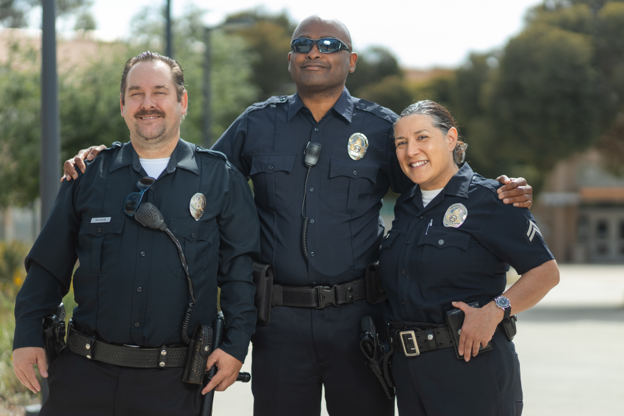
First of all, let’s give it up for everyone who serves in a public safety role. Officers out in the field especially are truly doing it all! They take calls, respond to follow-ups…and still have reports waiting at the end of the shift.
Unfortunately, that backlog of reports eats up time and turns documentation into another operational problem. Some officers even report they spend 30% – 60% of their time just on paperwork.
That’s why we created this guide that explains how transcription helps with law enforcement report writing reduction. By the end of this article, your agency will understand how to reduce paperwork internally and give officers much-needed time back in the field.
Why Report Writing Drains Officer Time
Police reports aren’t “quick notes”. They require facts, timelines, names, statements, evidence details, actions taken, and follow-up needs. That level of detail takes time, especially when officers are moving from one call or task to the next with no clean break to sit down and write.
The problem isn’t that report writing for police officers is unimportant. It’s that manually typing up every report turns documentation into a full-on second shift.
That detailed paperwork pulls attention away from patrol, investigations, and community visibility. One report becomes four, and four becomes a backlog. Suddenly, the keyboard is running on the shift, and officers are beyond burned out.
The Hidden Cost of Police Paperwork
Administrative overload doesn’t arrive with flashing lights. It creeps in through unfinished reports, after-shift typing, maxed-out overtime, and case files waiting for documentation.
Reduced Patrol Visibility
Every hour spent typing is an hour not spent in the field. That matters when agencies are already dealing with staffing shortages, rising call volume, and tighter resource allocation.
Increased Overtime Costs
Reports don’t disappear when the shift ends. If they aren’t finished, officers stay late or come back to them later. That creates overtime tied directly to documentation. It also slows the next step of the justice workflow.
Slower Case Processing
When reports are delayed, the next step slows down too. Supervisors wait, investigators wait, prosecutors wait, and cases lose momentum before they even get moving.
Officer Retention Challenges
Paperwork isn’t the only reason officers burn out, but it adds pressure to already demanding work. When report writing regularly spills over into the next shift, it makes the job harder to sustain.
How Much Time Do Police Reports Take?
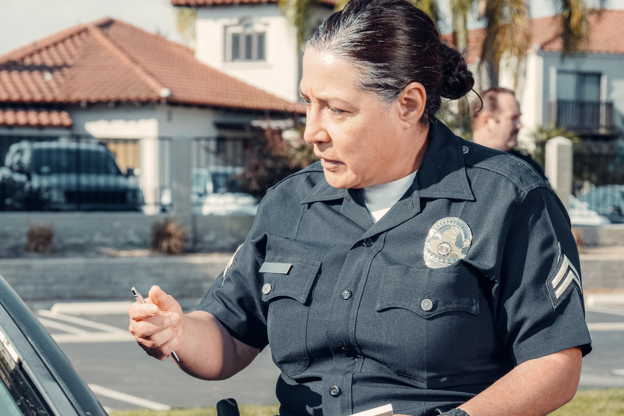
Police report writing time varies by agency, assignment, call volume, report complexity, and documentation requirements. A patrol officer handling multiple calls likely spends hours each week writing incident reports, supplemental reports, and follow-up documentation.
Investigative reports take even longer. Detectives need to capture interviews, evidence notes, timelines, observations, and case updates with enough detail to support prosecution.
That’s why law enforcement report writing reduction matters. Even modest time savings per report add up across an entire shift, squad, or department.
How Transcription Cuts Report Writing Time
Law enforcement transcription lets officers dictate reports instead of typing them from scratch. They speak the details while the call is fresh, submit the recording securely, and receive a completed report without wasting time typing up the details themselves.
That shift creates law enforcement report writing reduction where it matters most: in the daily workflow. Officers still provide the facts. They just don’t have to spend so much time turning those facts into formatted documentation.
Why Human Transcription Beats AI for Police Reports
AI transcription works for low-stakes, clean, simple audio. Police reports rarely come from clean, simple conditions and shouldn’t be considered low-stakes documentation.
Police reports support investigations, prosecution, internal review, and public records. If the report is wrong, the ripple effect is serious. For law enforcement report writing to work, agencies need speed and accuracy. One without the other just creates cleanup.
Human transcription services bring judgment to the process. Experienced transcriptionists understand how to handle unclear audio, speaker changes, and law enforcement language without leaving officers to clean up a messy draft.
Why CJIS Compliance Matters for Police Reports
Law enforcement documentation contains sensitive information. Names, addresses, witness statements, case details, and investigative notes all need secure handling.
CJIS compliance refers to the security standards agencies must follow when handling criminal justice information. It protects sensitive data through strict rules around access, transmission, storage, and confidentiality.
A strong law enforcement transcription partner protects sensitive information while keeping reports moving, so documentation gets completed faster without opening the door to unnecessary risk.
4 Ways Transcription Improves Police Workflows
Law enforcement transcription improves more than report speed. It supports the entire agency workflow.
#1: More Time in the Field
When officers spend less time typing, they have more time for calls, patrol visibility, follow-up, and community work. That means giving time back to the people and tasks that need it most.
#2: Faster Report Completion
Dictation lets officers capture report details while they’re still fresh. Transcription turns those recordings into completed documentation faster, so reports don’t sit unfinished at the end of a shift.
#3: More Consistent Police Documentation
A strong transcription process helps reports follow a cleaner, more consistent structure. That makes documentation easier for supervisors, investigators, and other teams to review and use.
#4: Reduced Officer Burnout
Law enforcement burnout doesn’t come from one thing. But reducing report writing removes a daily burden that eats time and energy, especially when paperwork keeps spilling past the shift.
How SpeakWrite Reduces Report Writing Time
SpeakWrite provides law enforcement transcription built for public safety professionals. We help agencies reduce report writing time without sacrificing security, accuracy, or documentation quality.
Our human transcriptionists handle dictated reports quickly and accurately, so officers get much-needed time back. With CJIS-compliant workflows, fast turnaround times, and enterprise transcription services, we support the documentation demands your officers face every day.
Outsourcing reporting paperwork to SpeakWrite gives your team accurate reports faster, with less administrative drag and fewer internal bottlenecks.
How SpeakWrite Works: 3 Simple Steps
SpeakWrite fits into your existing workflow without making officers learn a complicated new process.
Step #1: Dictate Reports from the Field
Officers dictate report details while the information is fresh. They capture what happened, who was involved, and what actions were taken without stopping to type everything manually.
Step #2: Submit Recordings Securely
Recordings are submitted through a secure workflow built to protect sensitive law enforcement information. That keeps documentation moving while supporting confidentiality and compliance.
Step #3: Get Completed Reports Back Fast
SpeakWrite returns completed reports quickly, giving officers and supervisors documentation they can use immediately. You get faster report completion without turning officers into full-time typists.
Law Enforcement Report Writing: Frequently Asked Questions
How can police officers reduce report-writing time?
Police officers can reduce report-writing time by dictating reports instead of typing them manually. Law enforcement transcription turns those recordings into completed documentation, so officers spend less time on paperwork.
How much time do officers spend writing reports?
Police report writing time varies by agency, role, call volume, and report complexity. For many officers, reports take up a meaningful part of the shift, especially when documentation piles up after calls.
Can transcription help law enforcement agencies?
Yes. Law enforcement transcription helps agencies reduce administrative burden, speed up report completion, improve documentation consistency, and give officers more time in the field.
Is law enforcement transcription secure?
Law enforcement transcription should use secure workflows designed to protect sensitive case information. Agencies should look for CJIS-compliant transcription when handling police documentation.
What is CJIS-compliant transcription?
CJIS-compliant transcription follows security standards for handling criminal justice information. It protects sensitive records, maintains confidentiality, and supports secure law enforcement documentation workflows.
Reduce Report Writing Time with a Free Trial of SpeakWrite
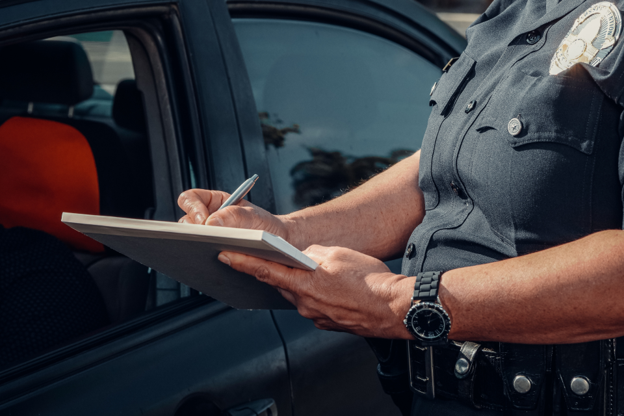
If your officers are spending too much time typing reports, it’s time for a better documentation workflow. SpeakWrite delivers CJIS-compliant law enforcement transcription with human transcriptionists, fast turnaround times, and secure report handling. Work with SpeakWrite today.